
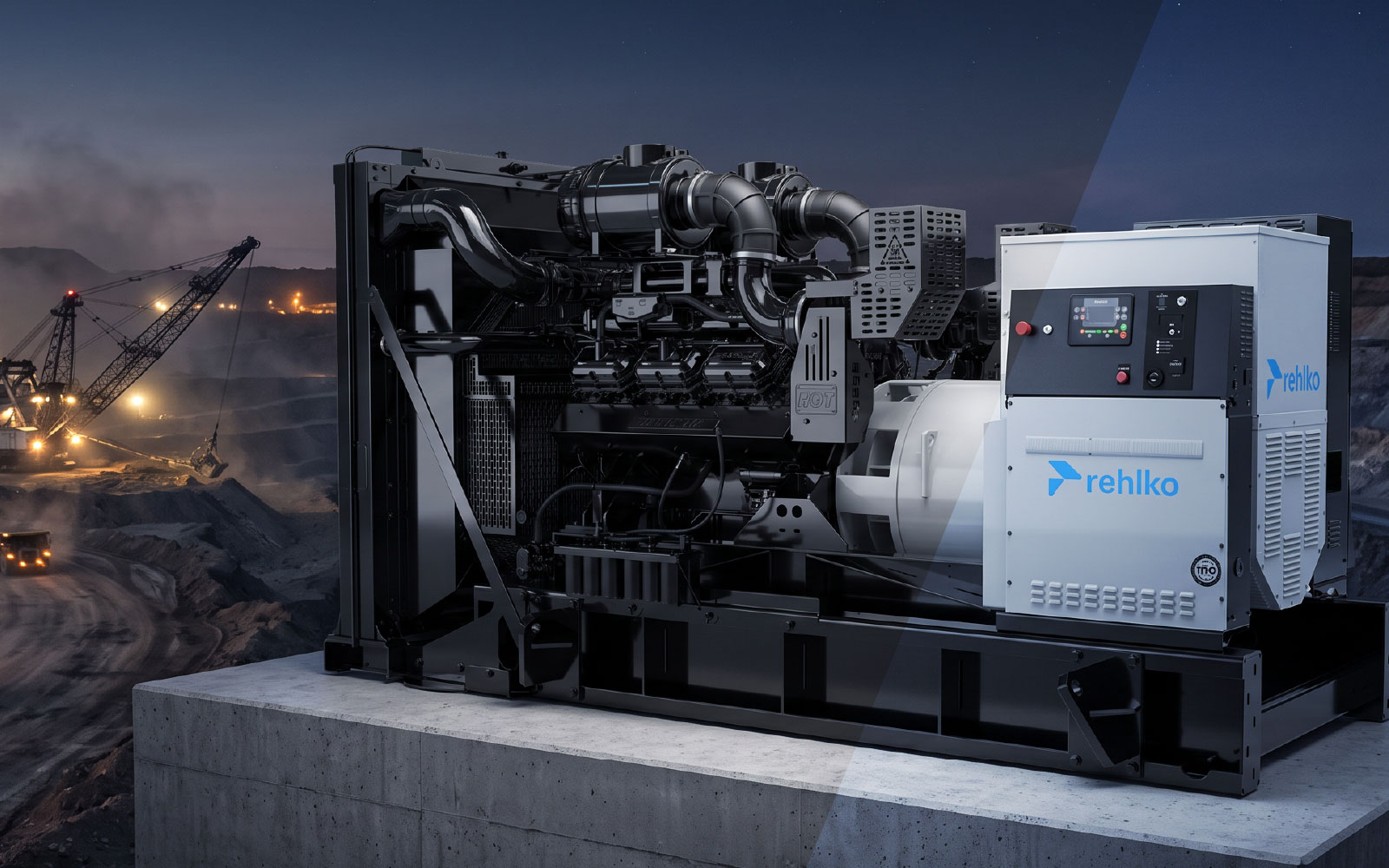
When power is critical to a mining operation, choosing the right generator is about much more than finding a suitable kVA rating.
Mining sites have their own challenges. Equipment loads can change throughout the day, operating conditions can be demanding, some processes cannot afford interruptions, and access to maintenance and technical support may be limited.
That means the power solution must be specified around the operation, based on real-world conditions on the ground.
Start With What the Power System Needs to Do
The first step is understanding the application.
What needs to be powered? Which equipment is critical to production? Are there large motors with significant starting requirements? Will the generator provide prime power, standby power, or both?
These questions may seem straightforward, but they strongly influence the final specification.
A mining site may need to power pumps, ventilation systems, processing equipment, workshops, lighting, and other essential infrastructure. Each of these loads can behave differently, and the generator needs to be able to handle the demands placed on it.
This is why choosing a generator simply because it has a high kVA rating is not always the best approach.
Understand the Load Profile and Site Environment
Knowing the total connected load is important, but it is only part of the picture.
Power demand can change significantly depending on what is operating and when. Equipment may start and stop at different times, production requirements may fluctuate, and some loads can create high starting currents.
Understanding the site’s load profile helps determine how the generator will perform under real operating conditions.
It can also help avoid two common problems: specifying equipment that is too small for the application or paying for a system that is significantly larger than necessary.
Mining environments can be hard on equipment.
Dust, temperature, altitude, and site conditions can all influence the way a generator or power system needs to be specified. Accessibility is another important consideration, particularly for remote operations where servicing equipment may require additional planning.
The environment should therefore be considered alongside the electrical requirements.
A solution that works well in a controlled commercial environment may require a different approach when it is operating at a remote mining site.
The goal is not to have the biggest generator on site. It is to have the right generator for the application and the environment it operates in.
Downtime Has a Real Cost
One of the most important considerations is what happens when the power goes down.
An interruption can affect far more than the lights. Production processes may stop, equipment can be affected, and restarting operations could be costly and take time.
The consequences of downtime should form part of the specification from the beginning.
How critical is continuous power? Which systems must remain operational? How long can the site tolerate an interruption? Does the application require standby power, prime power, or additional resilience?
The answers to these questions help determine what the power solution needs to achieve.
Think About What Happens After Installation
A generator may be installed once, but it will need to be maintained throughout its working life.
After-sales support can be particularly important. Sites can be remote, access can be challenging, and delays in getting the right parts or technical assistance can quickly become an operational issue.
When selecting a power solution, it is worth considering the complete lifecycle of the equipment.
Serviceability, maintenance requirements, availability of replacement parts and access to technical support should all form part of the decision, not be considered only after something goes wrong.
Plan for the Operation You Are Building
Mining operations do not always stay the same.
Production can increase, new equipment can be added, and site infrastructure can expand. As the operation changes, so can its power requirements.
Considering future growth during the initial specification can help ensure the solution remains useful as the operation develops.
That does not mean simply oversizing the generator from day one. It means understanding where the operation is going and considering whether the power system can support those changes.
The Right Specification Starts with the Right Questions
There is no single generator specification that works for every mining application.
The right solution depends on the equipment being powered, the load profile, operating conditions, uptime requirements, serviceability, and future plans.
We take an application-first approach. The starting point is understanding how the customer operates, what the power system needs to achieve, and what challenges the site presents.
From there, the equipment can be specified around the application rather than the application being forced to fit the equipment.
Getting that decision right can make a significant difference to reliability, operational continuity and the long-term value of the power infrastructure.