Introduction
The decision to install EV charging infrastructure at a commercial premises or fleet depot is increasingly straightforward to justify. Fuel costs are rising, EV adoption is accelerating, and the business case for electrifying part or all of a vehicle fleet gets stronger with every fuel price increase.
What is less straightforward, and less often discussed, is what actually goes into a fast or high-power EV charger installation. The charger itself is only one component of a system that involves your existing electrical infrastructure, your grid connection, your future vehicle mix, and your operational requirements.
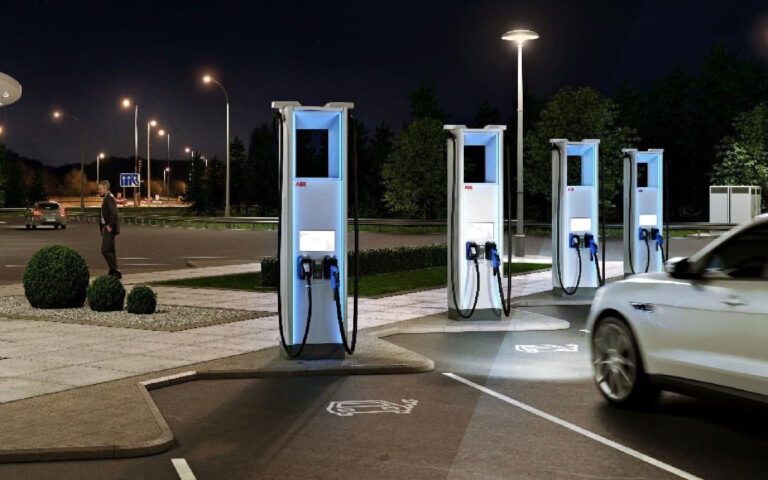
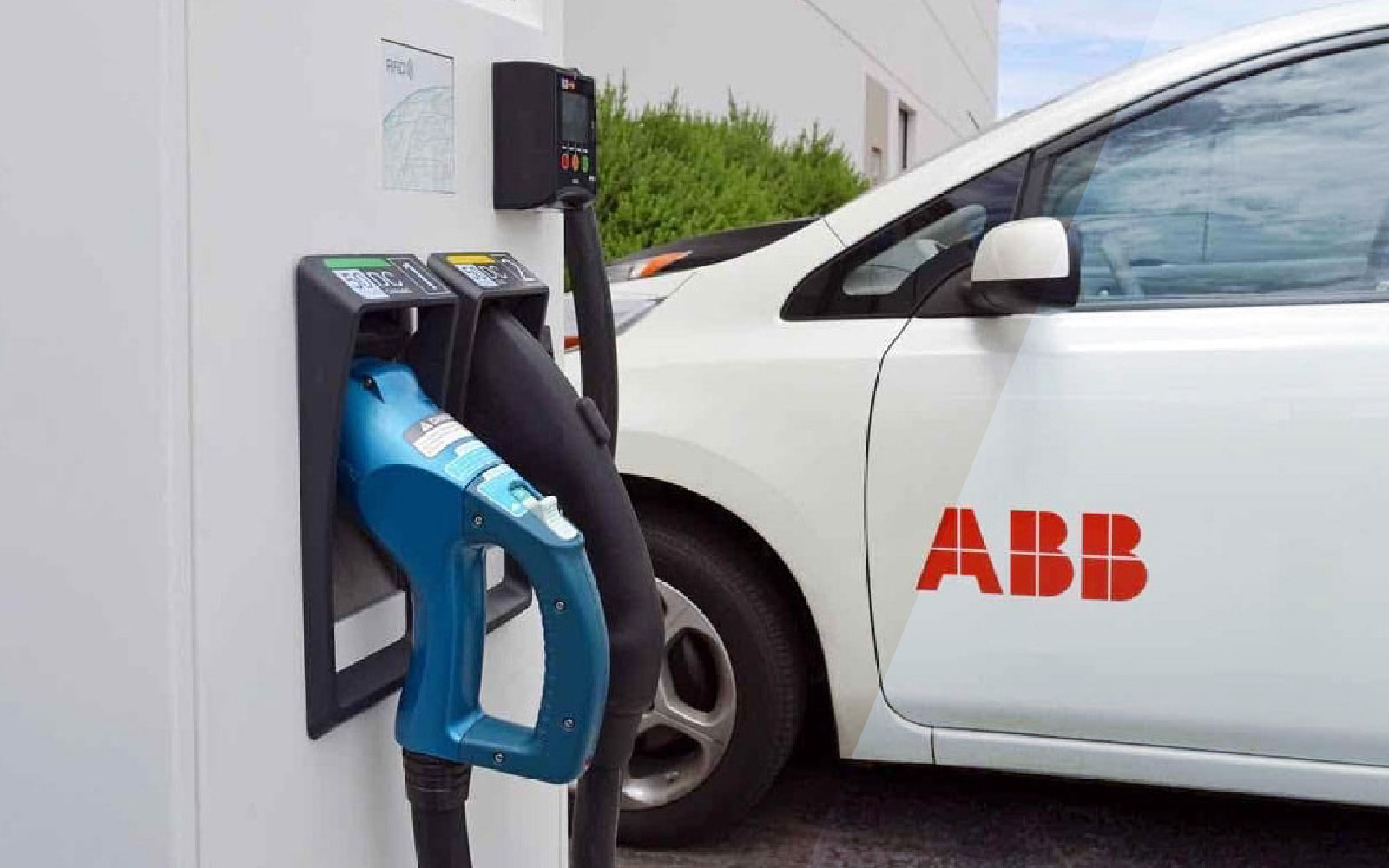
This article covers what decision-makers and facilities managers should understand before the specification process starts. It is focused on fast and high-power chargers, specifically the ABB Terra Fast Charger (50–180 kW) and the ABB Terra High Power Charger (175–350 kW), because these are the units relevant to commercial fleet electrification and high-throughput applications. They involve a meaningfully higher level of infrastructure planning than a standard workplace charger, and that planning is worth understanding before any procurement decision is made.
Power Output and What It Actually Means
Charger power output is measured in kilowatts (kW). The higher the output, the faster the charge, but also the greater the demand on your electrical infrastructure.
A 50kW fast charger draws roughly the equivalent of 50 single-bar electric heaters running simultaneously. A 180kW unit draws roughly three and a half times that. At the top of the range, a 350kW high power charger draws more power in an hour than many small commercial buildings use in a day.
This is not a reason to avoid high-power charging. It is a reason to plan for it properly. The infrastructure needs to match the output.
The charge time for a vehicle depends on two variables: the power output of the charger, and the maximum charge rate the vehicle’s onboard charger can accept. A charger rated at 180 kW will not charge a vehicle at 180 kW if the vehicle is only capable of accepting 50 kW. It will charge at 50 kW. Knowing the charge acceptance rates of the vehicles in your fleet is therefore important when specifying the right charger output.
Grid Connection and Available Capacity
Before any fast or high-power charger can be installed, the available capacity of your existing grid connection needs to be assessed.
Most commercial premises operate under a supply agreement with their electricity provider, which includes a maximum demand allocation that determines how much power can be drawn at any point. If your current allocation is fully utilised by existing operations, adding a high-power charger without upgrading your supply will result in tripping your main protection or exceeding your allocation. Both outcomes cause problems.
A grid capacity assessment, sometimes called a load flow study, determines what your connection can actually support and whether an upgrade is required. In some cases, the existing capacity is sufficient and no upgrade is needed. In others, an application to the municipality or electricity provider for additional capacity is required, which takes time and involves cost.
This assessment should happen before any procurement decision is made. Specifying a charger and then discovering the grid cannot support it is an expensive and time-consuming mistake to correct.
Three Phase Supply
Fast and high-power DC chargers require a three phase AC supply on the input side. If your premises currently operates on single phase supply only, a three-phase connection will need to be established before installation can proceed. This is a significant civil and electrical works item and needs to be factored into the project timeline and budget.
If your premises already has three phase supply, which most commercial and industrial sites do, the question becomes whether the available three phase capacity at the relevant distribution board is sufficient for the charger load.
Load Management
When multiple chargers are installed on the same site, or when EV charging is added to a site with significant existing electrical load, load management becomes an important consideration.
Dynamic load management is a system, either built into the chargers or managed by an external energy management controller, that monitors total site power consumption in real time and adjusts the power available to each charger to ensure total demand stays within the site’s grid capacity.
In practice, this means that during peak operational hours when the rest of the site is drawing heavily, the chargers may operate at reduced output. During off-peak periods such as overnight or on weekends, they can operate at full output. The vehicles still charge; the site does not exceed its grid allocation.
The ABB Terra Fast Charger and High Power Charger both support dynamic load management. For fleet operators planning to charge multiple vehicles simultaneously, this functionality is important to understand and to configure correctly at the time of installation.
Civil and Electrical Works
The charger is the visible end of an installation that involves significant work behind the scenes. Depending on the site, fast and high-power installations typically require the following:
A dedicated supply cable from the main distribution board or a sub-board to the charger location. At high power levels this cable is substantial, and the conductor size for a 180kW installation is considerably larger than standard commercial cabling. The run length also affects the cable specification.
Protection equipment at the distribution board, including circuit breakers, residual current devices, and surge protection rated to the charger’s input requirements.
Earthing that meets the charger’s specific requirements for both safety and correct operation. These requirements need to be verified and, if necessary, the existing earthing upgraded.
All of this work must be carried out by a qualified electrician, and the completed installation must comply with the relevant South African standards, including SANS 10142 and the applicable parts of the SANS 10400 series.
Future-Proofing — Planning for Growth
One of the most common mistakes in EV charging infrastructure planning is specifying only for today’s requirements.
If your fleet currently has two EVs and you are installing one charger, it is worth thinking about what the fleet looks like in three to five years. The civil works, including cable ducting, sub-board capacity, and earthing, can often be installed at the time of the first charger at relatively low additional cost, making the addition of further chargers in future significantly cheaper and faster.
Installing a sub-board with capacity for four chargers when only one is being connected today is a modest additional cost during the first installation. Retrofitting that capacity later, once the site is operational and the flooring or landscaping has been completed, is considerably more expensive and disruptive.
What to Ask Before You Commit
Before signing a purchase order or accepting a quotation for a fast or high-power EV charger installation, the following questions are worth asking.
Has a grid capacity assessment been done, and what does it show? Has the municipality or electricity provider been consulted if an upgrade is required, and what is the timeline? Is the electrical supply at the installation point three phase, and is the available capacity sufficient? Has load management been considered, and is it included in the specification? What civil and electrical works are included in the installation quote, and what is excluded? What is the manufacturer warranty on the charger, and who provides after-sales support locally?
These are not difficult questions. A competent supplier should be able to answer all of them. If they cannot, that is useful information before you commit.
Conclusion
A fast or high-power EV charger is a serious infrastructure investment. Done well, with proper planning and the right equipment, it supports fleet electrification for years and pays back the investment through reduced fuel costs and operational efficiency. Done without adequate planning, it creates technical problems, cost overruns, and delays that undermine the business case.
SSPD supplies the ABB Terra Fast Charger and High Power Charger in Southern Africa, and our team is available to discuss installation requirements, site assessments, and the right specification for your application. If you are in the planning stages, we would rather have the conversation early than after a specification has been locked in.