In mining operations, power continuity is not only about productivity. It is about safety, ventilation integrity, dewatering capability, communication systems, and control stability.
A power interruption underground or on a remote surface operation does not simply stop production. It can compromise critical safety infrastructure, and put lives at risk.
For this reason, backup power in mining must be treated as a safety system, engineered with redundancy, voltage stability, and lifecycle reliability in mind.
Redundancy Planning Is a Safety Strategy
Mining environments operate under high-load, high-risk conditions. Single-point failure design is not acceptable where ventilation systems, pumping stations, and safety monitoring equipment are concerned.
Redundancy planning includes:
- N+1 generator configurations
- Parallel generator systems
- Load segmentation for essential vs non-essential circuits
- Independent excitation systems for improved voltage stability
- Programmable logic for solutions that can offer no breaks in power
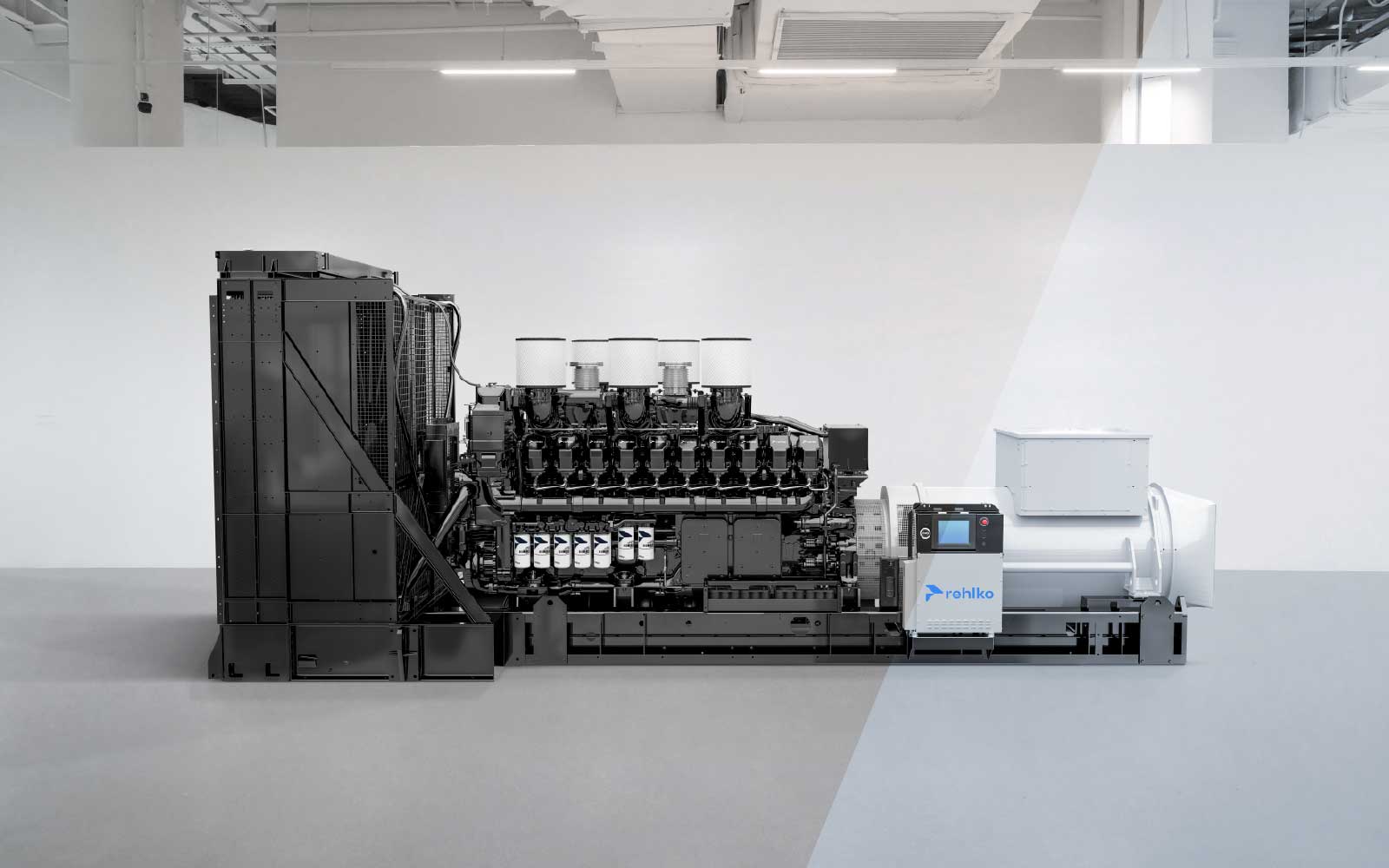
Generator systems such as those from Rehlko are commonly specified in mining applications because of their suitability for prime and heavy-duty standby environments.
Correct redundancy planning ensures that critical systems remain operational even during component failure or maintenance intervals.
Stable Voltage Protects Control and Monitoring Systems
Modern mining sites rely heavily on:
- PLC-controlled systems
- Monitoring and safety sensors
- Communication infrastructure
- Automated load management
Voltage instability can damage control boards, disrupt automation systems, and create operational risk.
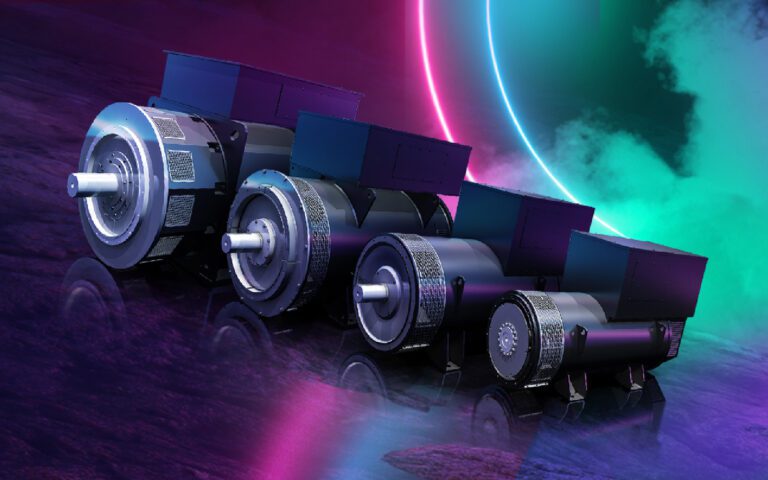
Alternators from Mecc Alte equipped with PMG (Permanent Magnet Generator) systems provide independent excitation to the AVR. This improves:
- Voltage stability during sudden load steps
- Performance under non-linear load conditions
- Short-circuit capability
- Resilience during motor starts
In safety-critical mining environments, excitation stability is not optional. It protects the integrity of control infrastructure.
Emergency Start Reliability Begins With the Battery System
Backup power must respond immediately when grid failure or upstream supply interruption occurs. Starting failure during an emergency event introduces unnecessary risk.
Industrial battery systems such as those supplied by Fiamm support reliable cranking performance in demanding environments. Fire-retardant casing and durable construction improve safety in confined generator rooms and enclosed installations.
Battery condition monitoring, correct sizing, and maintenance planning are fundamental components of mining power reliability.
Dust, Contamination, and Filtration in Harsh Environments
Mining environments introduce severe airborne contamination. Fine dust particles accelerate wear on engines, injectors, and lubrication systems.
Inadequate filtration directly affects:
- Engine longevity
- Fuel system performance
- Lubrication integrity
- Maintenance intervals
Filtration solutions from Donaldson, including air, oil, and lube filters, play a critical role in protecting generator systems operating in harsh mining conditions.
Effective filtration is not an accessory component. It is part of the overall safety and reliability strategy.
Integration Planning Determines System Performance
Backup power systems do not operate in isolation. They must integrate with:
- Site distribution boards
- Load prioritisation systems
- Ventilation infrastructure
- Dewatering systems
- Control and monitoring equipment
Integration planning must address:
- Load sequencing
- Harmonic distortion
- Motor starting current
- Enclosure protection ratings
- Environmental conditions
Proper specification of generator capacity, alternator configuration, battery systems, and filtration ensures that the backup system performs under real mining conditions – not just on paper.
Safety, Continuity, and Engineering Discipline
In mining, backup power is not simply a compliance requirement. It is a safeguard against operational and safety risk.
Resilient mining power systems require:
- Engineered redundancy
- Stable voltage control
- Immediate start capability
- Dust-resilient filtration
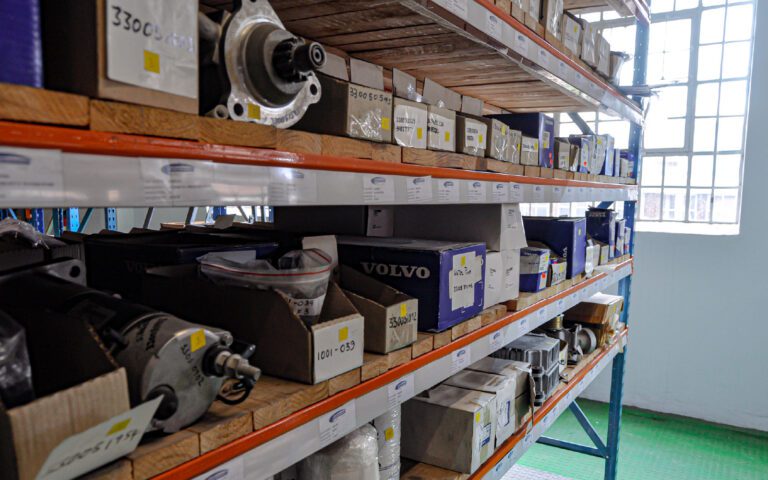
- Lifecycle support and genuine spares
Treating backup generation as a safety system ensures operational continuity while protecting personnel, infrastructure, and production capability.
For mining applications requiring engineered power solutions, engage with our technical team to assess system configuration, redundancy planning, and long-term support strategy.